
Why you cannot seem to relax even when nothing is wrong
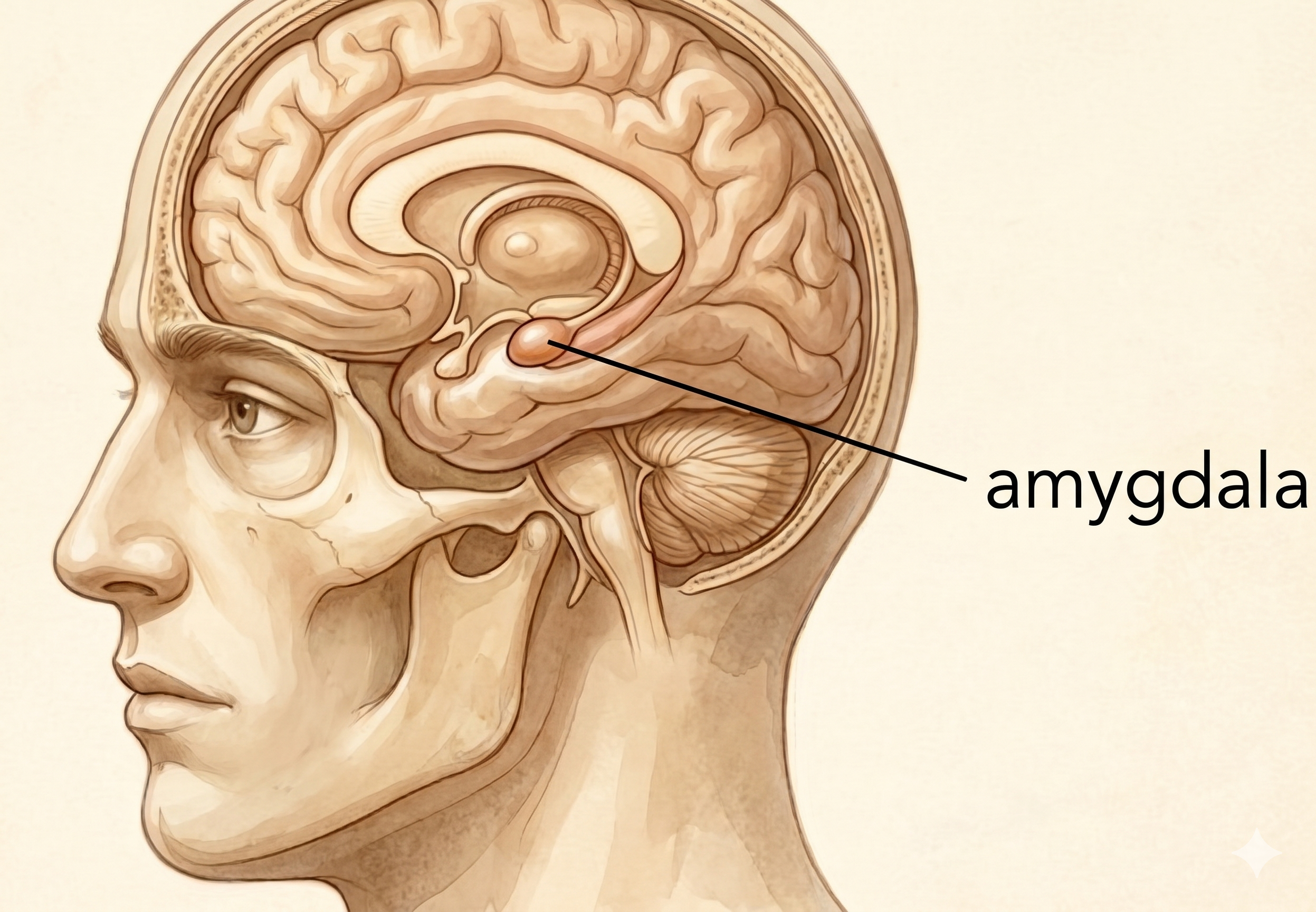
Tense when there is nothing wrong. Your amygdala links experiences to physical memory, sometimes years later. Find out how that works and what you can do about it.

Highly sensitive and easily overstimulated? This is what happens in your nervous system and what you can do about it.
Sounds hit harder than they do for others. Bright light bothers you. A busy room wears you out. After a perfectly ordinary week you are exhausted in a way the people around you do not always understand. If you are highly sensitive, that has a direct effect on your nervous system. Read what happens and what you can do about it.

The polyvagal ladder: which state is your nervous system in?
Sometimes wired, sometimes empty, sometimes finally present. Those are not moods. Those are the three states of your nervous system. This is how they work.

What are resources? The key to nervous system regulation
Your nervous system cannot heal from a constant state of activation. It needs an anchor point. But what is the difference between a resource and a coping strategy, and why does it matter? This article explains what resources are in Somatic Experiencing, how to recognize them in your own body, and why they are not just for crisis moments.

Grounding: the simplest exercise for an overstimulated nervous system
When stress hits, most people go into their heads. But the nervous system is not reached through thinking. It is reached through your body. Here is the simplest exercise to get there.
The vagus nerve: your recovery nerve (and how to activate it)
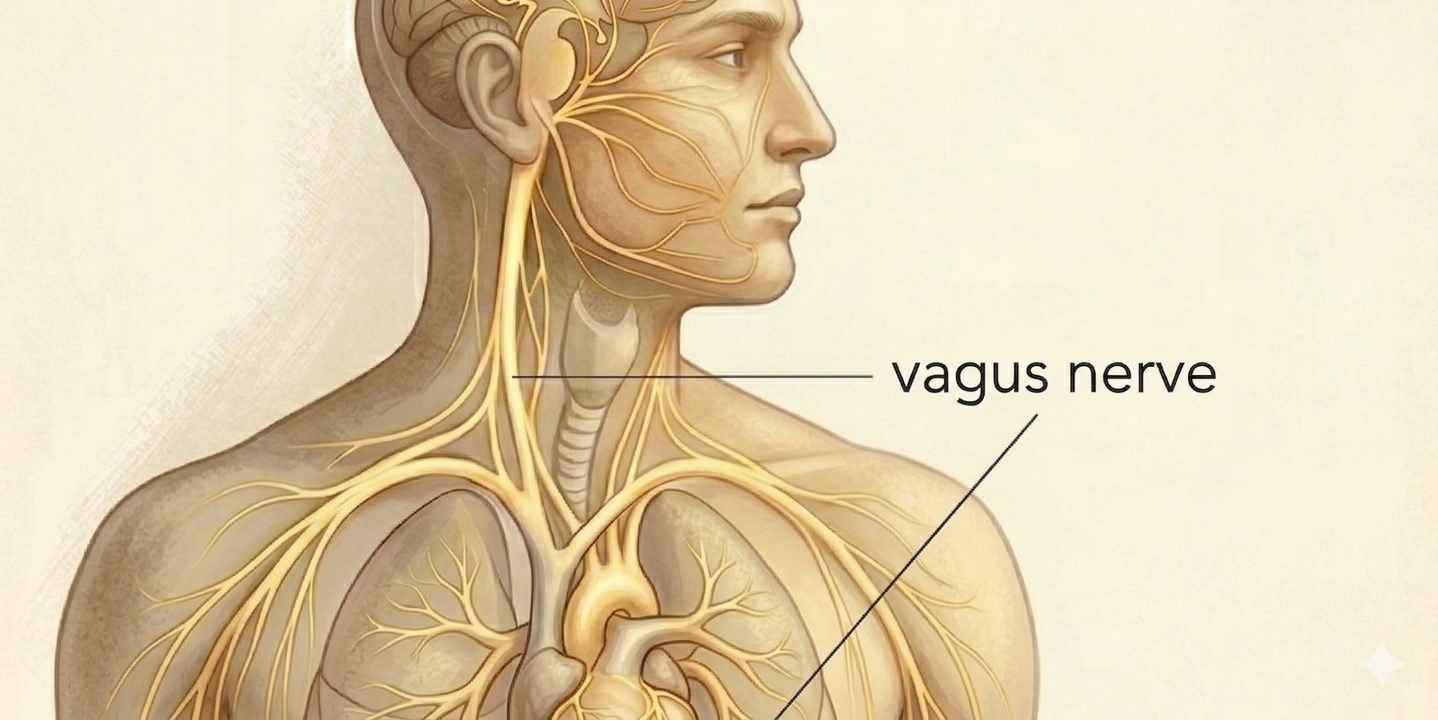
If you could choose one nerve to understand how your body handles stress and recovery, it would be the vagus nerve. Here is what it does, and how to activate it.

What is the window of tolerance? (And why it is the key to recovery)
There are moments when you can handle almost anything. And moments when the smallest setback overwhelms you. That difference has a name.
Burnout recovery: why your nervous system blocks rest and what actually helps
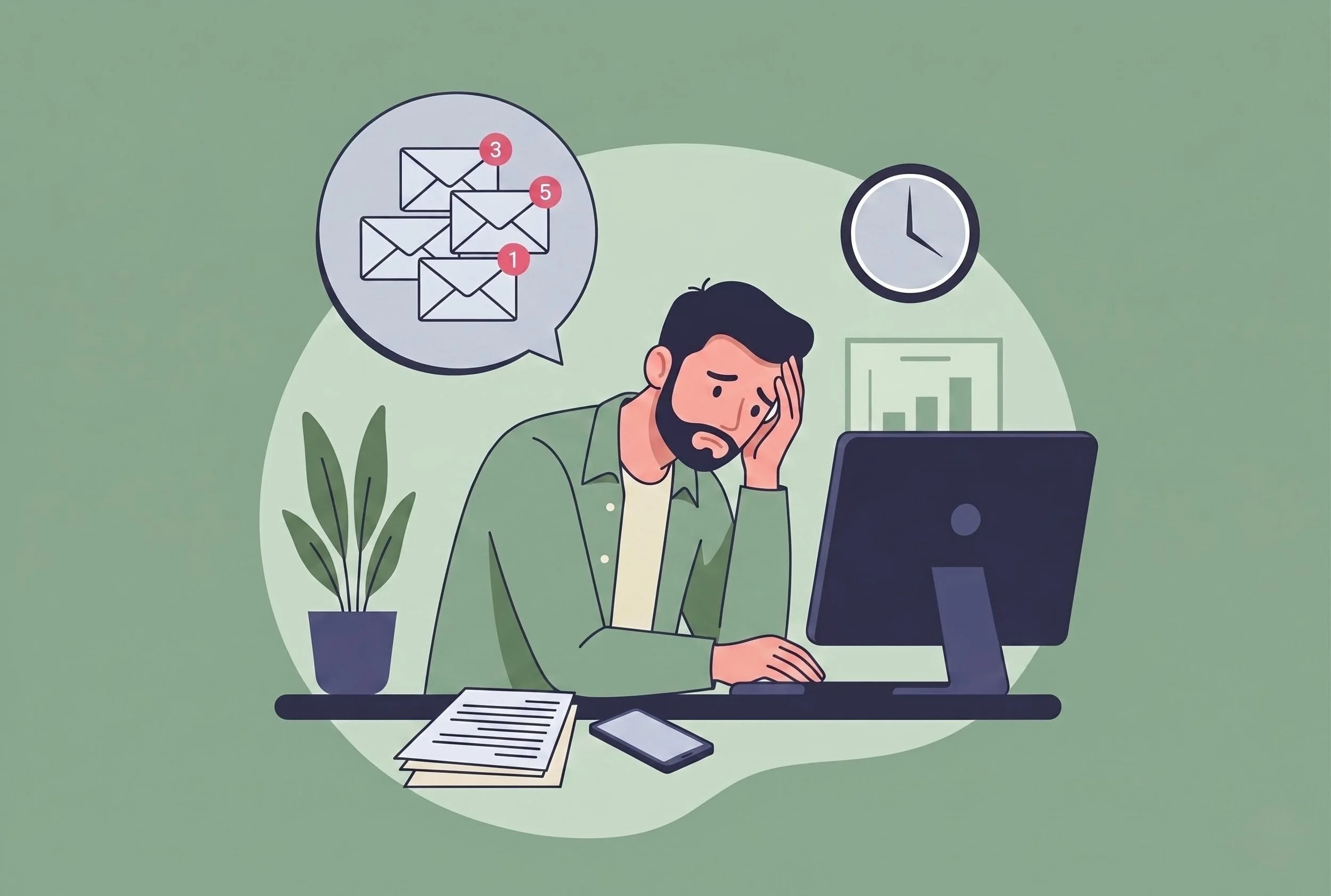
After a burnout, rest seems like the logical step. But weeks later you are still exhausted, irritable and sleeping poorly, even when you are doing nothing.
That is not failure. Your nervous system is dysregulated and treats relaxation as a threat. Until that pattern changes, rest alone will not be enough.
In this article I explain why, and how the Activate · Regulate · Liberate method actually changes that.
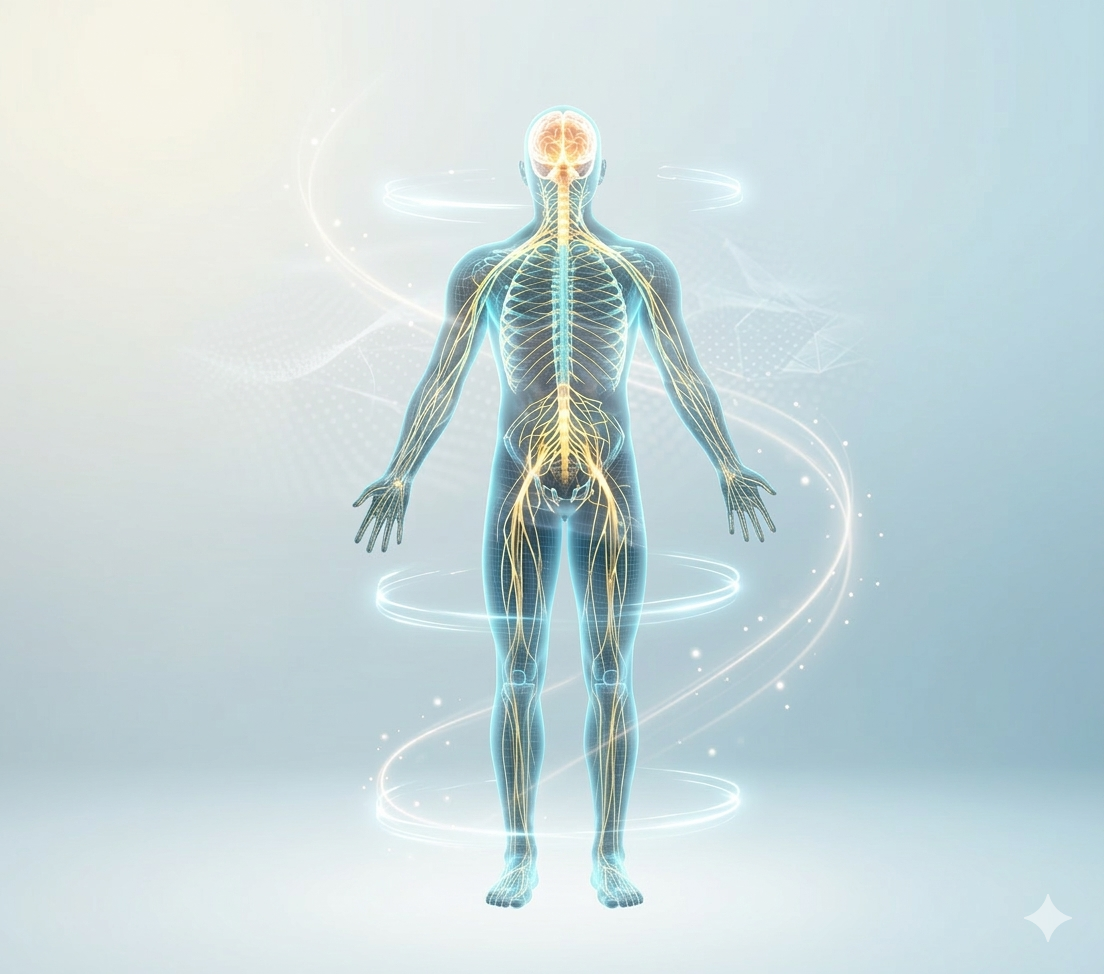
What is a dysregulated nervous system? Symptoms, causes and recovery explained
You wake up already tired before the day has begun. Your breathing is shallow. You are irritable. But there is no danger anywhere.
Many people recognise this. Few know there is a name for it: a dysregulated nervous system.
The good news: it is not a weakness and not a mental disorder. It is a biological response from a body that carried too much for too long. And regulation does not begin with willpower. It begins with safety in the body.

Coming home to myself: A Journey of Healing and Self-Acceptance
For years I tried to fix what felt off inside — through therapy, meditation, yoga. Nothing quite landed. Until I understood that nothing was wrong with me to begin with. This is how I stopped trying to fix myself, and started coming home instead.

Somatic Experiencing: Healing Stress & Trauma Through the Wisdom of the Body
In a world that often prioritizes overthinking, Somatic Experiencing (SE) offers a powerful, body-based approach to healing stress and trauma. By tuning into the body’s sensations and releasing stuck energy, SE restores balance and promotes emotional well-being.