What are resources? The key to nervous system regulation
Your nervous system cannot heal from a constant state of activation. It needs an anchor point. Something to fall back on. In Somatic Experiencing, we call that a resource.
A resource is not the same as a coping strategy
There is a distinction many people miss, and it makes all the difference in how you handle stress.
A coping strategy is something you do to avoid or suppress difficult feelings. Scrolling on your phone. Overworking. A glass of wine. It works in the short term, but it solves nothing. The nervous system stays activated beneath the surface.
A resource is different. It is an anchor point that helps stabilize your nervous system. Not by avoiding the difficulty, but by offering a counterweight. A point of safety to return to when activation becomes too much.
A resource anchors you. A coping strategy numbs you.
You feel the difference in your body. A resource gives you something. A coping strategy offers temporary relief, but ultimately has negative consequences for your body.
What exactly is a resource?
In Somatic Experiencing, we define a resource as anything that helps your nervous system return to a state of regulation. That can be very concrete, and it looks different for everyone.
A resource can be:
A place that feels safe, your own room, a spot in nature, the chair you always sit in
A person around whom you can relax, someone whose presence calms your nervous system
A memory of a moment of rest, safety, or connection
A physical sensation, the warmth of the sun on your skin, feet on the ground, a deep breath
A movement, walking, cycling slowly, swimming
A sensory experience, music, scent, texture
A pet like a cat or a dog
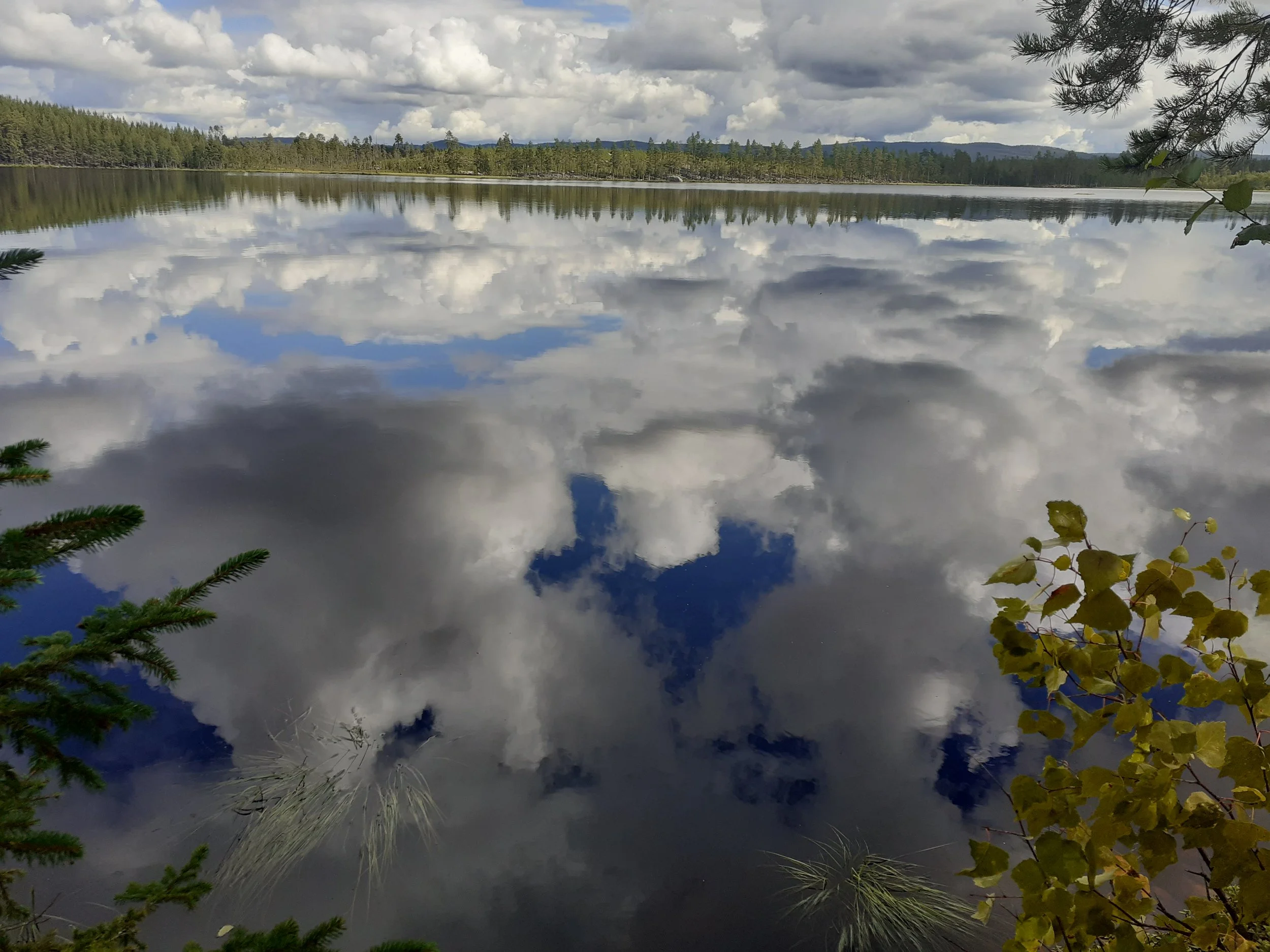
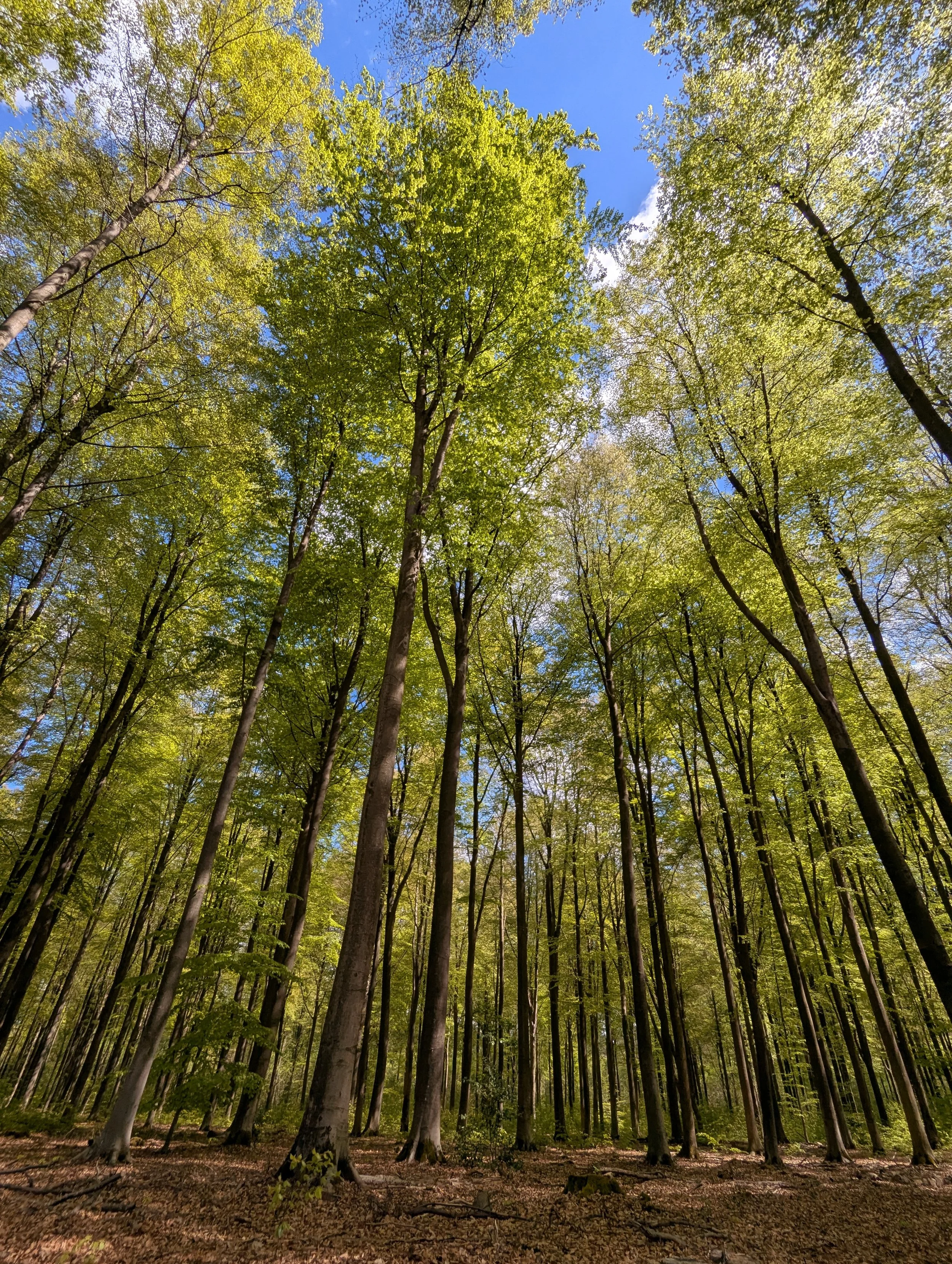

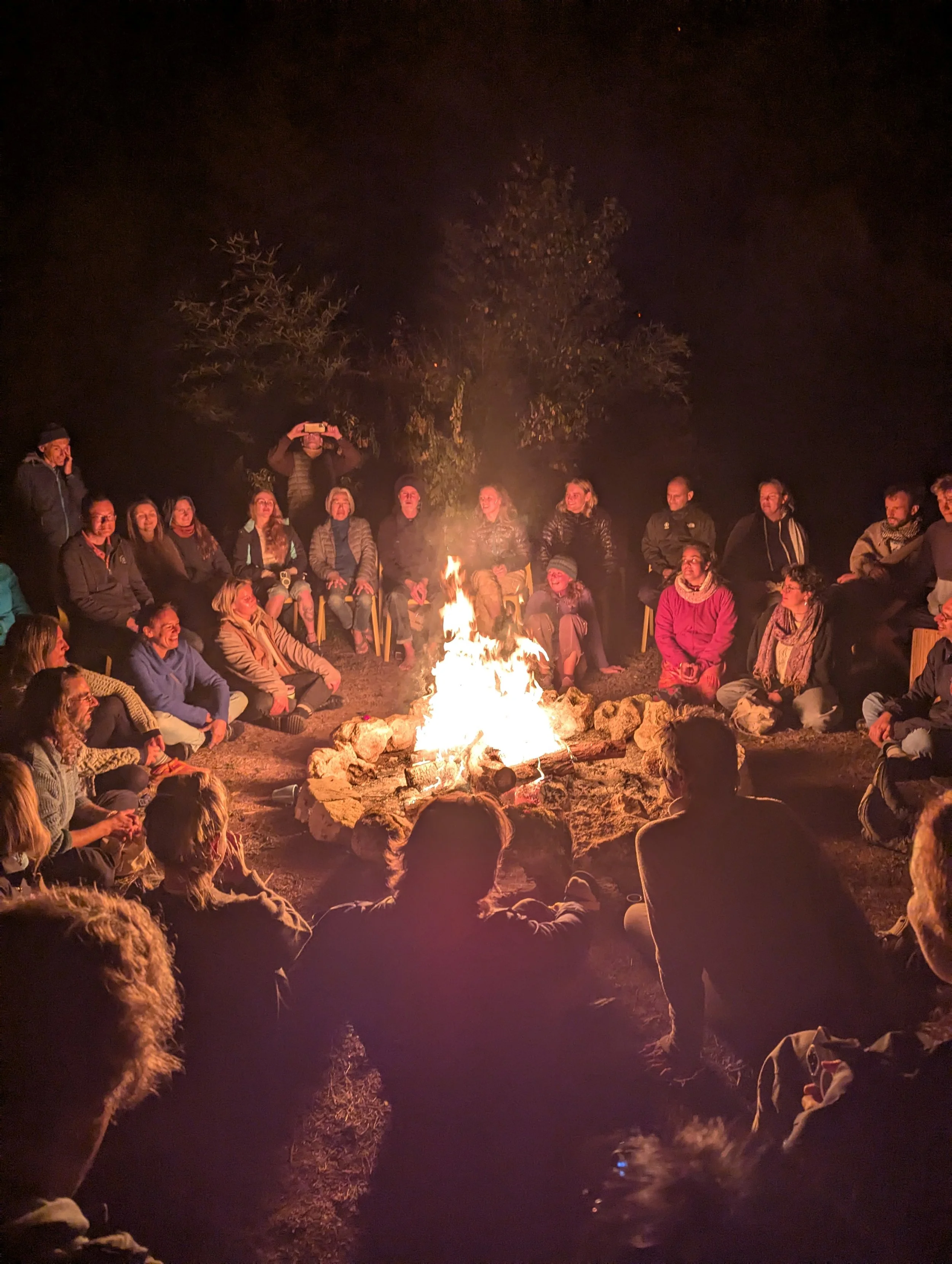
What all these things have in common: they send a direct safety signal to the (autonomic) nervous system. Not through thinking, but through the body.
Why are resources so important in SE?
In classical trauma therapy, it was long assumed that you had to address the difficult material directly. Processing trauma meant going in, deepening, reliving.
SE works differently. Peter Levine, founder of Somatic Experiencing, discovered that the nervous system does not heal by staying in activation, but by moving between activation and rest. That movement is called pendulation.
And to be able to pendulate, you need an anchor point. A place to return to. That is exactly what a resource provides.
Glimmers as spontaneous resources
Psychotherapist Deb Dana introduced the term "glimmers." A glimmer is a micro-moment of ventral vagal activation: a small flash of safety, connection, or beauty that your nervous system picks up, often before your mind consciously registers it.
The light falling through trees. The smell of coffee in the morning. A smile from a stranger.
Glimmers are spontaneous. Resources are intentional. But a glimmer can become a resource, if you learn to recognize it and stay with it long enough to feel the effect.
That is exactly why tracking glimmers is so powerful: you are training your nervous system to notice, register, and remember safety.
My own resources
I have been working with my own body and nervous system for years, alongside my training as a Somatic Experiencing practitioner. And I noticed that theory and practice are not always the same.
Intellectually, I knew what resources were. But truly knowing what my own resources are took time and attention.
What I discovered: my most reliable resources are almost always simple. Moving slowly in nature. The presence of people whose company settles my system. Silence without agenda. A sunrise.
None of those things is a technique. They are simply experiences that my nervous system already knows as safe.
Your resources are the experiences your nervous system already knows as safe. You do not have to learn them. You have to learn to recognize them.
How do you start building your resource map?
In SE sessions, we build a resource map together. We explore which people, places, memories, sensations, and movements stabilize your nervous system.
You can also start on your own. A simple exercise:
The resource exploration (5 minutes)
Sit comfortably. Take a moment to settle.
Then ask yourself the following questions, gently, without forcing:
Which place brings you the most peace?
Which person or animal feels safest?
Which activity gives you energy instead of costing it?
Is there a memory that feels safe and warm?
Which physical sensation feels pleasant or neutral?
Write down the answers. Not to analyze them, but to remember them. These are the building blocks of your resource map.
Then notice: when you think of one of these things, what happens in your body? Does your breath deepen? Do your shoulders relax? That is your nervous system recognizing a safety signal.
Resources are not for when things get hard. They are for always.
A common mistake: people think resources are for crisis moments. For when you feel bad, overwhelmed, or in panic.
But resources work far better when you use them regularly, even when things are going well. Every time you consciously pause at a resource, you strengthen the neural pathway connected to it. Your nervous system learns to reach that state more and more easily.
It is like a muscle: you do not train it only when you need it, you train it so it is there when you need it.
Going beyond understanding
Want to know where your nervous system stands right now? The free Nervous System Scan gives you a clear picture in just a few minutes.
Want to understand why your nervous system responds the way it does? The Nervous System Guide explains why your nervous system does what it does, and what you can change about it step by step.
Looking for personal guidance? Read more about 1:1 sessions.
