Highly sensitive and easily overstimulated? This is what happens in your nervous system and what you can do about it.

Sounds hit harder than they do for others. Bright light bothers you. A busy room wears you out. After a perfectly ordinary week you are exhausted in a way the people around you do not always understand.
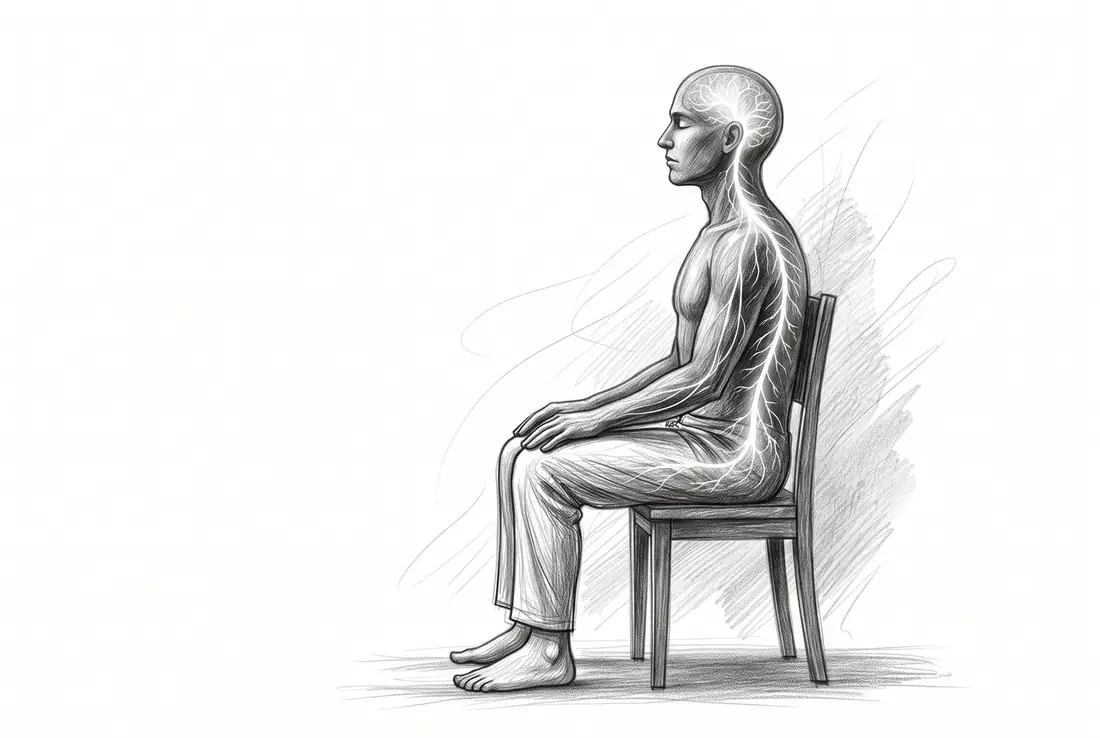
As a highly sensitive person, you process everything more deeply than average. Every stimulus, every conversation, every mood in a room. And that has a direct effect on your nervous system, specifically on how quickly you move outside your window of tolerance.
Your window of tolerance is narrower than you think
In my article about the window of tolerance I explain what that zone is where your nervous system functions well. You can think clearly, connect with others, feel things without being overwhelmed by them.
In highly sensitive people that window tends to be narrower, because the system takes in more and reaches its limit faster.
The sound of someone chewing, a crowded train, a tense atmosphere in a room. For you that can be enough to tip outside your window. For someone else it barely registers.
When that keeps happening and you cannot figure out why, you start questioning yourself. But this is just how your nervous system works.
A system that learned to stay on guard
High sensitivity often has an early story. An unpredictable environment, little room to come back to yourself, or a difficult start in life that put your nervous system on alert from the very beginning.
For me that was literally true. I was born prematurely and spent my first weeks in an incubator. From day one my nervous system learned to scan the environment for danger. Always alert. Always ready.
That made sense at the time. The system remembers, though. Years later you are still quicker to activate than the people around you understand.
What HSP overstimulation does to your thinking
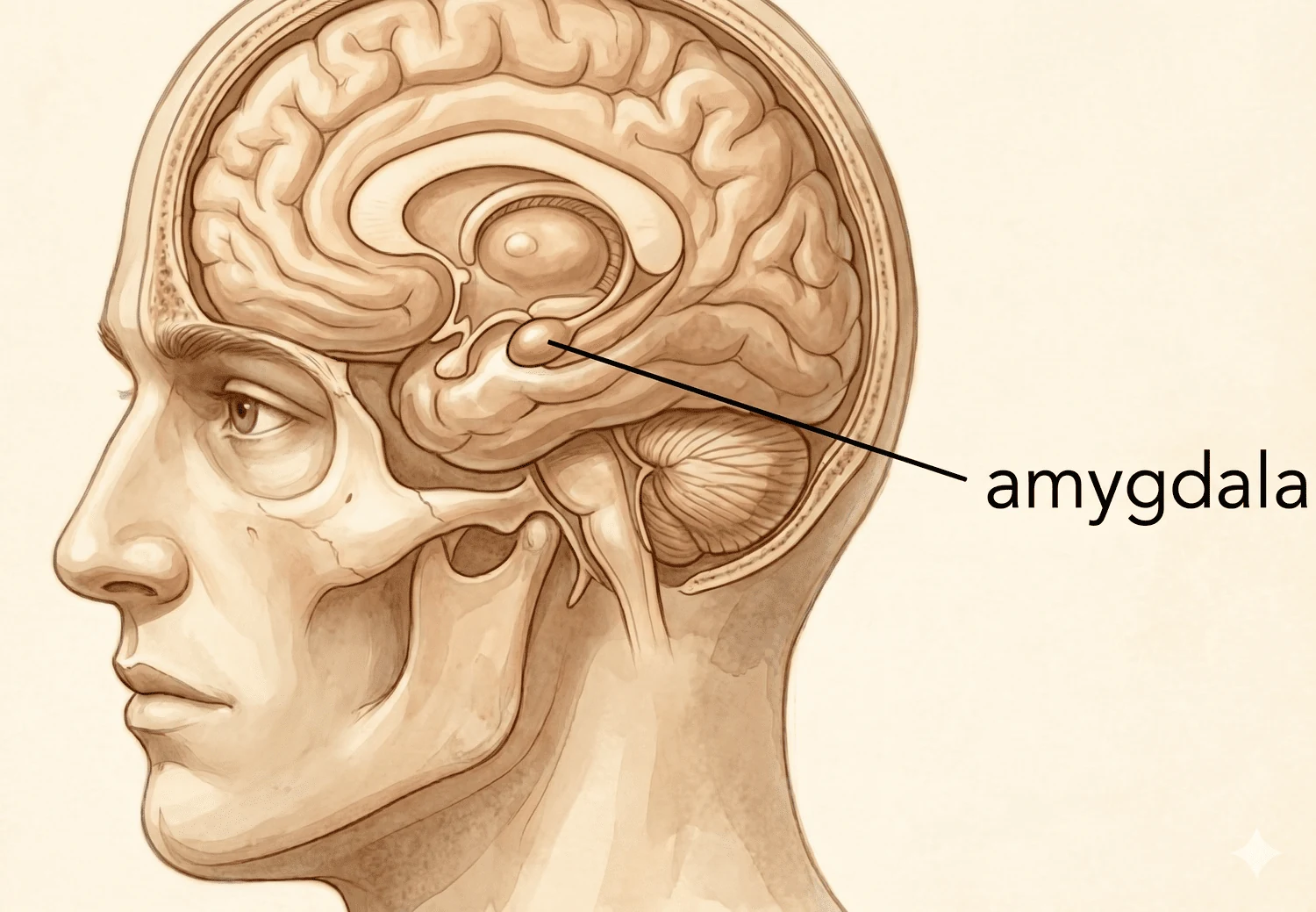
When you move outside your window of tolerance, the front part of your brain, which helps you plan and focus, works less well. Your nervous system redirects all its energy toward survival, and clear thinking becomes much harder.
Familiar signs:
- Trouble concentrating
- Losing track of what you were about to say
- Jumping from one thought to the next
- Getting irritated easily
- A head that feels completely full
You might recognise this from ADD or ADHD. Often, though, it comes down to activation.
Some highly sensitive people do receive that diagnosis, and sometimes it fits. But a lot of the time what is actually going on is a nervous system that spends too much time outside its window. The issue is not attention. It is activation.
When feeling rushed becomes your baseline
When you spend enough time outside your window, that state starts to feel normal. You do not know any different. You just assume that is who you are.
In a world that runs fast by default, highly sensitive people rarely get enough space to recover. The world around you demands more than your system can keep up with, and if you have spent years pushing your own needs aside, it accumulates.
Regulate, not avoid
When overstimulation hits, the first instinct is to pull back. Do less, cancel plans. That brings relief in the short term, but it does not widen your window.
What actually helps is learning to notice when your system starts to activate. When do you feel more wound up than usual? When do your thoughts get louder? When do you feel tension building in your chest or shoulders? Those signals show up earlier than you might expect.
Once you can read them, you can respond sooner:
- Find a quieter space or step outside for a moment
- Feel the ground under your feet
- The double inhale (one of the exercises for your vagus nerve): breathe in twice through the nose, then exhale slowly through the mouth as if blowing through a straw
When you are overstimulated, you automatically go looking for solutions in your head, but the answer is in your body.
Learning to communicate with your nervous system
For highly sensitive people, self-care is not a nice extra. It is the ongoing practice of staying in communication with your nervous system, including on the days when things feel fine.
Quieter moments, especially toward the end of the day, are a good time to check in. Where am I right now? What does my system need?
Small habits that make a difference:
- Move your body in the morning and slow down in the evening
- Stay off screens before bed
- Keep an eye on sugar intake, as it amplifies activation
- Daily grounding exercises, even on the good days
The better you know your system, the earlier you can step in before you move completely outside your window.